
Lithuanian Financial Licence Compliance Knowledge Base
An overview of the regulatory structure, capital requirements, EU passporting, licence selection, application process, MiCA 2026, CENTROlink, regulatory references and official search portals, to help you understand the full picture before taking action.
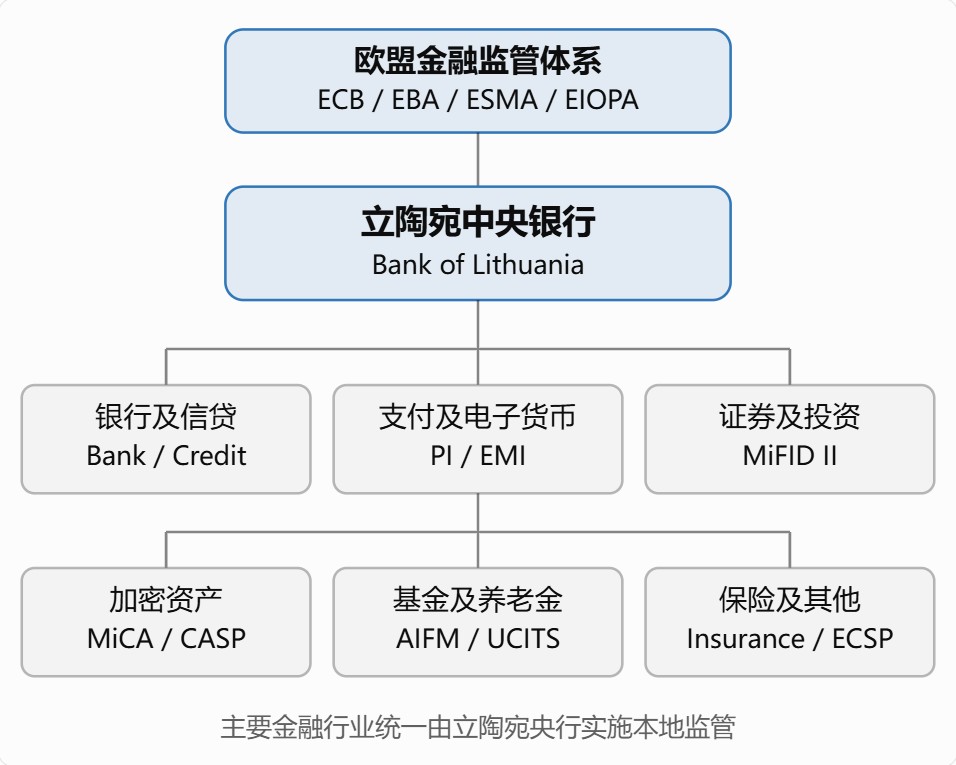
An overview of six regulatory areas, from EU-level institutions to the Bank of Lithuania, clarifying the boundaries between licences, notifications, registrations and product authorisations.

Use facts verified by LB as the basis, distinguishing initial capital, ongoing own funds, review periods and state fees to avoid conflating figures for different licences.
Explains which Lithuanian financial authorisations can be used cross-border, how to provide services or establish a branch by notification, and the boundaries of restricted licences and Article 65 of MiCA.
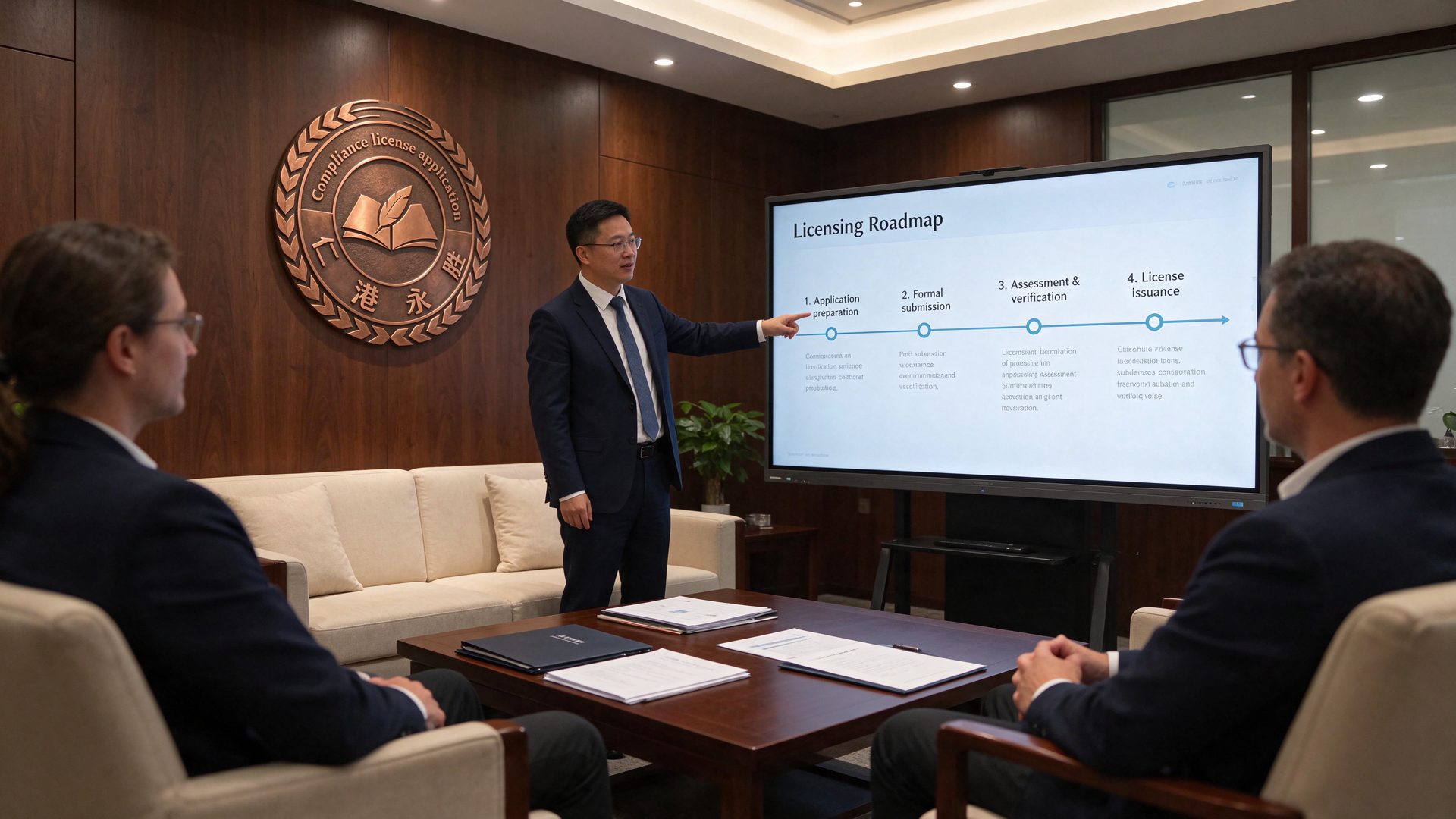
Work backwards from the business activities, client funds, products and cross-border objectives to determine the licensing route, to avoid a mismatch caused by starting with the licence name.

From pre-application discussions under the Newcomer Programme and the five-working-day formal check to post-approval registration, launch and CENTROlink, setting out the documentation and requirements at each stage.

Map the entry into force of MiCA, the ART/EMT phases, full application, the end of Lithuania's transitional period and compliance alternatives for former VASPs.

An overview of SCT, SCT Inst, SDD Core, participating institutions, public procedures, fees, the 2027 indirect participation model and payee verification requirements.
A consolidated list of 24 EU regulations and around 15 Lithuanian national laws cited in the reference materials, making it easy to trace from a licence or product to the relevant legal text.
A compilation of 38 official sources, including LB, ECB, EBA, ESMA, EIOPA, AMLA, VMI, Registrų centras, EUR-Lex and e-Seimas.

List 15 priority licences based on the business proposal and explain the advantages, including the EU, euro area, regulatory concentration, payment infrastructure and MiCA pathways.

Distinguish between pre-authorisation discussions, the regulatory sandbox for innovative projects and formal authorisation; clarify the applicable conditions and what cannot be guaranteed.