Keywords · KEYWORDSDLT Pilot regimeDLT MTFDLT SSDLT TSSDistributed ledger.Financial Market Infrastructure
Specific authorisation for DLT-based financial market infrastructure
LT-46 · Funds and Asset Management

Specific authorisation for DLT-based financial market infrastructure

DLT Market Infrastructure Pilot Regime

Operate a DLT MTF, DLT SS or DLT TSS under the EU DLT Pilot Regime, within a framework of controlled exemptions and time limits.

Available on application · High technical and prudential requirementsLicensing authority: Bank of Lithuania; ESMA coordinates matters involving the EU levelPrioritisation of market entry
Regulatory framework
EU 2022/858
Licence type
DLT MTF / SS / TSS
Competent Authority
LB cooperates with ESMA
Capital Requirements
Confirm against the underlying licence.
Legal Basis · LEGAL BASIS
  • Regulation (EU) 2022/858 (DLT Pilot Regime)
  • Directive 2014/65/EU (MiFID II)
  • Regulation (EU) No 909/2014 (CSDR), as applicable to DLT SS/TSS
  • Law on Markets in Financial Instruments of Lithuania and LB rules on the supervision of market infrastructure
Key Summary · AT A GLANCE
Capital: There is no uniform minimum capital requirement that can be applied independently of the underlying licence. Applicants must have the prudential resources required for the relevant investment firm, regulated market operator or CSD, as determined by the business model and any applicable exemption.
Time: Prepare the underlying authorisation, specific licences, DLT technology, grounds for exemption and exit strategy together; statutory project timelines and fees are subject to confirmation by LB/ESMA and the application structure
State fee: A uniform state fee for this dedicated licence was not confirmed in this review; confirm the fees for the underlying licence, regulatory and technical assessments under the latest rules.
EU Passporting: The DLT Pilot is a specific permission under the EU pilot regime; it is not equivalent to a full EU passport for a traditional MTF, CSD or exchange licence. Cross-border arrangements must be handled in accordance with the applicable regulations and cooperation between competent authorities.
01

Scope of permissions and business boundaries

Permitted Activities & Boundaries

The DLT Pilot Regime provides a pilot pathway for market infrastructures that use distributed ledger technology to record or trade financial instruments. A DLT MTF focuses on trading, a DLT SS on settlement, while a DLT TSS combines both trading and settlement functions.

  • DLT MTF: Operating a trading facility within an investment firm or regulated market framework
  • DLT SS: operating a DLT settlement system under the CSD and settlement framework
  • DLT TSS: operating DLT trading and settlement functions together
  • Apply for specific exemptions and adopt compensatory measures, rather than assuming automatic exemption from all rules

02

Applicable scenarios and advantages

Use Cases & Advantages

The pilot regime allows tokenised trading and settlement of securities-based financial instruments to be tested within a controlled environment. It is suitable for operators able to demonstrate robust technology, investor protection, cybersecurity and exit arrangements.

  • A regulated environment for DLT trading and settlement of securities-type financial instruments
  • An exemption with limited duration and scope may be applied for under specific rules
  • May provide an opportunity to validate new market infrastructure and asset-service models
  • Requires a transparent technical architecture, asset protection and an exit route
03

Application and eligibility requirements

Eligibility & Entry Conditions

The applicant should first determine whether it is an investment firm, a regulated market operator, a CSD, or a new entrant applying for basic authorisation at the same time. The application must explain how the DLT operates, the exemptions requested, compensatory measures, operational risks and arrangements for exiting the pilot.

  • Clearly define the business scope of the DLT MTF, DLT SS or DLT TSS.
  • Limit the DLT financial instruments that may be traded or recorded, and their volume
  • Describe technology governance, nodes, keys, data and cybersecurity
  • Demonstrate arrangements for investor protection, segregation of client assets and complaints redress
04

Shareholders, directors and compliance staff

Shareholders, Directors & Key Persons

DLT operators need both financial market infrastructure governance and technical security capabilities. The board, risk, compliance, cybersecurity, product and business continuity leads must have a clear, accountable escalation pathway.

  • Board of Directors: basic licence, pilot scope and risk appetite
  • Head of markets and settlement: trading, settlement and asset lifecycle
  • Technology and security lead: DLT, keys, nodes, resilience and incident response
  • Compliance, Risk and Legal: Exemptions, Investor Protection, Records and Regulatory Reporting
05

Capital and financial requirements

Capital & Financial Requirements
ModelCapital AssessmentKey Basis
DLT MTFIn accordance with the baseline requirements for investment firms or regulated market operatorsSpecific Authorisations under MiFID II and the DLT Pilot Regime
DLT SSAs required under the basic CSD/settlement system requirementsApplicable exemptions under CSDR and the DLT Pilot Regime
DLT TSSDetermined by the combination of transaction and settlement arrangements and the associated risksCore licence, client assets and technology risk
Common RequirementsAdequate prudential safeguards and the ability to compensate customersRegulatory requirements for IT, cyber security, asset protection and exit arrangements
Capital considerations for DLT Pilot participants
Do not promote it as a perpetual licence
The DLT Pilot is a pilot regime subject to limits on scope, duration and thresholds. When the Specific permission expires or is withdrawn, or the pilot ends, operators must migrate, terminate or return to traditional market infrastructure in accordance with their exit strategy.
06

Office address and substantive operations

Office & Local Substance

DLT projects must enable the LB and ESMA to understand, test and supervise the technical architecture. Code, nodes, keys, permissions, disaster recovery and client asset protection cannot be explained solely through verbal assurances from suppliers.

  • Establish an auditable DLT architecture and change management.
  • Segregate client funds and financial instruments, and restrict access to keys
  • Implement cybersecurity, vulnerability management, monitoring and incident reporting
  • Prepare migration and exit exercises for traditional market infrastructure
07

Required information and documents

Required Documents
  • Core licence or simultaneous application documents
  • DLT-specific authorisation application
  • Business plan, scope of services and rules for market participants
  • Description of DLT architecture, nodes, consensus and data flows
  • Financial instruments that may be traded or settled, and explanation of the thresholds
  • Request the exemption list, reasons for each item and compensating measures
  • IT, cybersecurity, access permissions and key management policy
  • Arrangements for the segregation of customer assets, cash and financial instruments
  • Investor protection, complaints, redress and disclosure
  • Prudential safeguards, insurance and client compensation arrangements
  • Risk Management, Operational Resilience and Business Continuity Plan
  • Exit, Migration or Restoration Strategy for Traditional Infrastructure
  • Details of directors and technology, marketing, risk and compliance personnel
  • Contracts for outsourcing, cloud services, audits, testing and incident response
Overview
DLT Pilot application materials must connect technical, legal and operational responsibilities. A white paper, technical demonstration or supplier security certification alone is generally insufficient to demonstrate that the operator meets financial market infrastructure requirements.
08

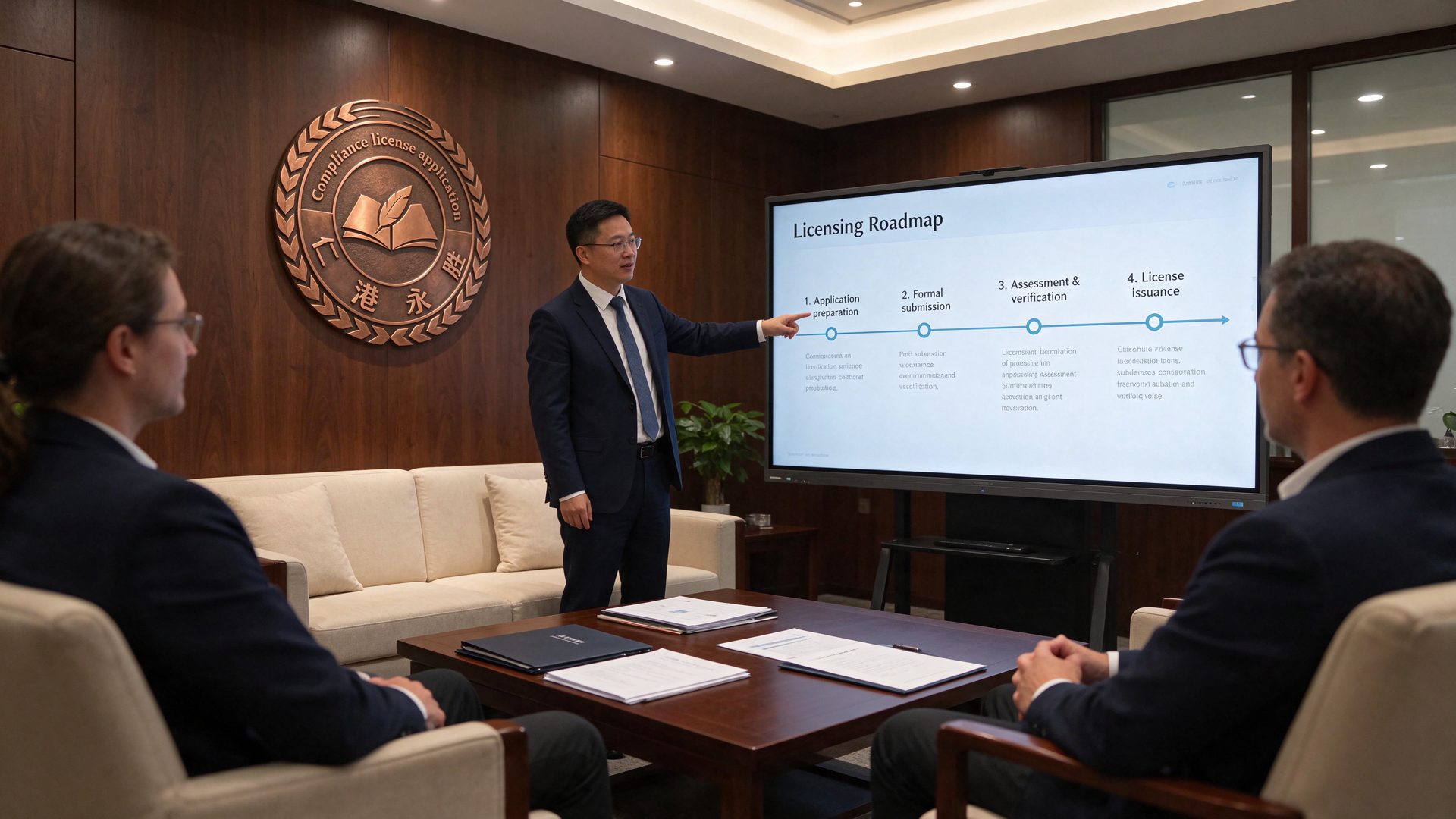
Application and process

Application Process
01
Determine the DLT model
Choose a DLT MTF, DLT SS or DLT TSS, and define the financial instruments and participants.
02
Core licence assessment
Determine the status of any existing or proposed investment firm, market operator or CSD qualification.
03
Technology and risk modelling
Complete the DLT architecture, key management, cybersecurity, client asset and operational risk assessments.
04
Design exemptions and indemnities
Explain each rule for which an exemption is requested, including its necessity, scope and alternative controls.
05
Pre-application communication
Explain the business, technology, thresholds, pilot period and exit strategy to LB.
06
Submit and participate in the joint review
Submit the basic authorisation and specific licence documents. LB may cooperate with ESMA and other competent authorities.
07
Testing and reporting after approval
Operate within the scope of the licence, monitor thresholds, report incidents and prepare for exit or migration.
Important considerations
A specific authorisation under the DLT Pilot is not assessed on technological innovation alone. If the underlying licence, client asset protection, safeguards or exit strategy are incomplete, the application may not progress.
09

Timeline and key milestones

Timeline & Milestones
StageExpected timeframeOverview
Business boundaries and underlying licence4–8 weeksDetermine the model, instruments, participants and underlying authorisation
Technical and legal gap assessment6–12 weeksMap DLT, MiFID II, CSDR, network and asset protection requirements
Application documents and pre-application communication4–8 weeksPrepare information on exemptions, indemnities, exit arrangements and testing.
Competent Authority ReviewConfirmed according to the structureThe LB may cooperate with ESMA and other competent authorities.
Pilot Operation and ExitOngoing throughout the licence termSubject to thresholds, reporting, event and termination conditions
DLT project timeline
Overview
This review did not confirm that the Bank of Lithuania (LB) publishes a uniform application timeline or state fee for all DLT models. Project timelines should be based on the specific underlying licence and the outcome of discussions on any specific authorisation.
10

Acquisitions and Material Changes

Acquisition & Material Changes

DLT Specific permission is attached to the operating legal entity holding the underlying authorisation. The DLT permission cannot be separated from the entity, its technical controls and its regulatory responsibilities and sold independently. An acquisition must also involve due diligence on code, keys, cloud services, nodes, client assets and the pilot period.

  • A qualifying holding in a licensed operator must be notified to the LB in advance and receive its approval.
  • Changes to directors, the technical lead, risk, compliance and key functions must follow notification or non-objection procedures
  • Before a control transaction, verify the exemption boundaries, use of thresholds, incident records and exit strategy
  • Material changes to technology, outsourcing, systems or business scope may require prior approval or reassessment by LB
11

Ongoing maintenance and compliance

Ongoing Compliance & Maintenance

DLT operators must continuously monitor technology, markets, client assets and regulatory thresholds. Any major disruption, cyberattack, key-related incident, asset mismatch or threshold breach may trigger reporting, remediation, suspension or exit.

  • Ongoing testing of DLT, cybersecurity and disaster recovery capabilities
  • Maintain segregation of client assets, keys and access logs
  • Monitor transactions, settlement, instrument categories and pilot thresholds
  • Regularly rehearse exit and migration plans, investor notifications and data retention
12

Application status

Application Availability

The DLT Pilot continues to offer a dedicated authorisation pathway. The Bank of Lithuania's financial market participants page lists entities holding DLT TSS Specific permission. New applications remain subject to requirements concerning the underlying licence, project innovation, investor protection and technological supervisability.

Suitable applicants
Suitable for teams that have completed financial market infrastructure governance arrangements and established a verifiable technical architecture. Projects with only a concept demonstration and no client asset safeguards or exit strategy should not treat the DLT Pilot as a quick substitute for a licence.
Tang Shangyong (Drew), Business Manager
Drew's Note Drew's Note
Drew's Note: The DLT Pilot Regime is not about simply moving traditional trading venues or settlement systems onto a blockchain. An application must address three questions at once: why an exemption is necessary, how compensating measures will protect investors, and how assets and records will be transferred safely back to traditional infrastructure when the pilot ends. The technology and compliance teams should jointly maintain a single control matrix from day one.
Tang Shangyong (Drew) · Business Manager, Rengangyongsheng (Hong Kong) Limited
FAQ

Frequently Asked Questions About This Licence

Frequently Asked Questions
Q01What is the difference between DLT MTF, DLT SS and DLT TSS?+
DLT MTF primarily supports trading, DLT SS primarily supports settlement, and DLT TSS combines both trading and settlement. Applicants should select the model that reflects the actual scope of their business and demonstrate the relevant underlying authorisation and technical capabilities.
Q02Is there a fixed minimum capital requirement for the DLT Pilot?+
There is no uniform figure that can be applied independently of the underlying licence. Capital and prudential safeguards depend on the underlying authorisation as an investment firm, market operator or CSD, as well as client assets and technology risks.
Q03Does the DLT Pilot amount to a permanent exchange licence?+
No. A specific permission is subject to the pilot period, scope, thresholds and exit conditions. On expiry, withdrawal or termination of the regime, activities must migrate to, cease on, or return to traditional infrastructure.
Q04Can the technology provider be changed immediately after acquiring a DLT operator?+
A change cannot automatically be made. Material changes to technology, outsourcing, cloud services, keys or system scope may trigger prior notification to, approval by or reassessment from LB. A regulatory change analysis should be conducted first.
Tang Shangyong (Drew)This article is by Rengangyongsheng (Hong Kong) Limited Prepared by, and explained by Tang Shangyong (Drew) Professional guidance from a Business Manager· Information updated: November 2026

Enquire about DLT Pilot

Book a Free Assessment
Tell us about your business model, target markets and shareholders. Drew's team will advise whether a new application or acquisition is more suitable, how to structure your capital and staffing, and the expected timeframe and budget.
RGYS advisory meeting
RGYS
Tell us about your project
Tell us about your project · Free Assessment
Success is displayed only after receipt has been confirmed by the service provider; if email is temporarily unavailable, please contact us via WhatsApp.