Keywords · KEYWORDSRegulated marketMTFOTFTrading venue operationNasdaq VilniusMiFID IIMiFIR
Authorisation for operators of regulated markets, MTFs and OTFs
LT-40 / LT-41 / LT-42 · Securities investment and market infrastructure

Authorisation for operators of regulated markets, MTFs and OTFs

Regulated Market, MTF and OTF Operator

Authorisation to operate the market infrastructure and trading venue of a regulated market, MTF or OTF.

New application may be assessed · High threshold; reviewed on a case-by-case basisLicensing authority: Bank of Lithuania
Authorisation category
Regulated market / MTF / OTF
Existing operator
Nasdaq Vilnius
Minimum capital
Confirmed case by case for each category
Regulatory Authority
Bank of Lithuania
Legal Basis · LEGAL BASIS
  • Law on Markets in Financial Instruments (LMFI)
  • Trading Venues, Market Transparency and Organisational Requirements under MiFID II (Directive 2014/65/EU)
  • MiFIR (Regulation (EU) No 600/2014) transparency, transaction reporting and market data rules
  • Market abuse, operational resilience, data protection, clearing and settlement, and applicable LB regulatory requirements
Key Summary · AT A GLANCE
Capital: No uniform minimum capital requirement applicable to all LT-40/41/42 categories was verified in this review; confirm the latest Bank of Lithuania (LB) requirements based on the premises category, products and operating structure
Time: The review period should be confirmed on a case-by-case basis according to the type of regulated market, MTF or OTF and the technical complexity
State fee: Subject to the latest Bank of Lithuania state fees and applicable annual supervisory fee arrangements
EU Passporting: Cross-border services and participant arrangements for a regulated market, MTF or OTF must be confirmed under MiFID II, MiFIR and host-country rules
01

Scope of permissions and business boundaries

Permitted Activities & Boundaries

A Trading Venue Operator operates one of three types of trading venue: a regulated market, an MTF or an OTF. The operator is responsible for establishing transparent, non-discriminatory and enforceable rules for access, trading, admission to trading, suspension, monitoring, reporting and market integrity, and for operating systems within the approved scope.

CategoryOperational Priorities
Regulated marketFormal listing and trading rules for public markets, ongoing issuer obligations and market surveillance
MTFA multilateral trading system operated by an investment firm or market operator, which brings together multiple buying and selling interests under non-discretionary rules
OTFPrimarily applies to bonds, structured products, emission allowances or derivatives, among others, and requires the management of trading discretion and client protection.
Existing operatorNasdaq Vilnius is one of the existing regulated market operators in Lithuania
Market authorisation boundaries
Authorisation to operate an MTF or OTF is not automatically included with a standard FBF licence; the application should separately address trading venue governance, technical systems, market surveillance and the rulebook.

02

Applicable scenarios and advantages

Use Cases & Advantages

A trading venue operating licence is suitable for building regulated securities, bond or derivatives market infrastructure, providing issuers, investment firms and investors with a rules-based, monitored trading environment.

  • Operate a public market, MTF or OTF under the approved categories and serve multiple participants
  • A framework for rules, admission, disclosure, suspension and market monitoring can establish an auditable market governance system.
  • Once EU requirements are met, this can connect cross-border participants and support EU capital market activities.
  • Nasdaq Vilnius demonstrates that Lithuania has an established regulated market infrastructure and operating track record.
Applicable scenarios
A trading venue is not merely a software or order-matching platform; its operator must take responsibility for market integrity, transparency, participant management and regulatory cooperation.
03

Application and eligibility requirements

Eligibility & Entry Conditions

Applicants must demonstrate venue rules, fair access, transaction monitoring, prevention of market abuse, technical resilience and the ability to maintain ongoing operations. Product, participant, transparency and discretion requirements vary between venue categories; a single platform description cannot cover every model.

  • Clearly specify the legal category, products and participants of the regulated market, MTF or OTF.
  • Submit the rulebook, admission criteria, issuer requirements, and trading and settlement procedures.
  • Establish market surveillance, detection of unusual transactions, escalation of market abuse and suspension of trading.
  • Demonstrate system capacity, low latency, cybersecurity, data retention, disaster recovery and restoration capabilities.
  • Explains arrangements for participants, clearing and settlement, central counterparties, custody, data providers and outsourcing.
Confirm on a case-by-case basis
The LB's requirements for the technology, governance and market integrity of trading venues vary according to the type of venue and products. Confirm the specific capital, personnel and assessment timeframes with the LB when the project begins.
04

Shareholders, directors and compliance staff

Shareholders, Directors & Key Persons

The operator must have management and key functions capable of independently handling market operations, rules, compliance, risk, technology, market surveillance and business continuity. The scale of existing operators such as Nasdaq Vilnius cannot be used directly as a staffing template for a new applicant.

  • Directors and administrative managers should have experience in financial market infrastructure, trading operations and regulatory matters.
  • Appoint individuals responsible for market surveillance, compliance, risk, IT security, internal audit and business continuity.
  • Establish escalation mechanisms for major incidents, system outages, market abuse and participant misconduct.
  • Changes to shareholders, directors and key personnel must be notified in advance or receive regulatory non-objection, as required by the applicable rules.
Staffing
The official information reviewed for this entry did not confirm a general rule setting a fixed number of staff or requiring Lithuanian residents to fill specific roles. Confirm the requirements with LB in light of the size of the establishment, the products and the ability to supervise it effectively.
05

Capital and financial requirements

Capital & Financial Requirements
Capital and financial mattersRequirements
Harmonised Minimum CapitalThe official information reviewed for this entry did not confirm a single figure applicable to all LT-40/41/42 categories. Refer to LB's latest requirements.
Ongoing financial resourcesCover systems, market surveillance, personnel, disaster recovery, outsourcing and orderly wind-down costs
LiquidityEstablish sufficient liquidity based on the operating model, settlement arrangements and material incident scenarios
Regulatory FeesSubject to the latest Bank of Lithuania state fees and applicable annual supervisory fee arrangements
Financial requirements for operators of regulated markets, MTFs and OTFs
Capital Assessment
The €750,000, €150,000 or €75,000 amounts for FBF categories A/B/C cannot automatically be applied to operators of trading venues
Budget priorities
Operational resilience, market surveillance, rules governance, personnel, audit, disaster recovery and exit arrangements
Specific amount
Confirm against the LB's latest requirements for the type of premises, products and operating structure.
Financial requirements
Trading venue operation is an infrastructure business. Financial adequacy should focus on sustainable operations and orderly exit; no fixed capital threshold should be promised externally until specific figures have been verified.
06

Office address and substantive operations

Office & Local Substance

The operator must maintain management and technical substance in Lithuania that enables effective supervision by the LB. Systems, market surveillance, rule governance and key decision-making cannot all be delegated to external providers that are beyond effective regulatory supervision.

  • Provide practical office and on-duty arrangements for regulated operations, market monitoring and management personnel.
  • Maintain complete and searchable records of transactions, orders, participants, market data and regulatory reports.
  • Conduct due diligence and audits of cloud services, matching engines, market data, clearing, settlement and cybersecurity providers.
  • Conduct regular capacity, disaster recovery, penetration, system failure and market disruption exercises
Substance of infrastructure
A technical platform and registered address alone are insufficient to meet the substantive requirements for operating a trading venue; clear lines of responsibility must be maintained for rule-making, market surveillance and decisions on major incidents.
07

Required information and documents

Required Documents
  • Company Formation, Articles of Association, Shareholders and UBO Structure
  • Operator's Business Plan, Venue Type and Product Scope
  • Trading venue rulebook and participant admission criteria
  • Rules on issuers, admission to trading, disclosure, suspension and delisting
  • Explanation of trading, order matching, order types, execution and transparency
  • Market surveillance, market abuse detection and investigation procedures
  • Participant supervision, breach handling and complaints mechanism
  • Clearing, settlement, custody and central counterparty arrangements
  • IT architecture, matching engine, capacity and performance testing
  • Cybersecurity, Data Protection and Access Control Policies
  • Business continuity, disaster recovery, restoration and orderly exit plans
  • Outsourcing, critical suppliers and service level agreements
  • CVs of directors, executive officers, and compliance, risk and technical personnel
  • Capital, liquidity, budget and stress-testing documents
  • AML/CTF, sanctions screening and regulatory reporting arrangements
  • Participant and market data fees, client disclosures and conflicts of interest policy
Depth of documentation
For an OTF application, additional explanations are required regarding trading discretion, the handling of client orders, transparency waivers and measures to prevent conflicts of interest between the operator and its clients.
08

Application and process

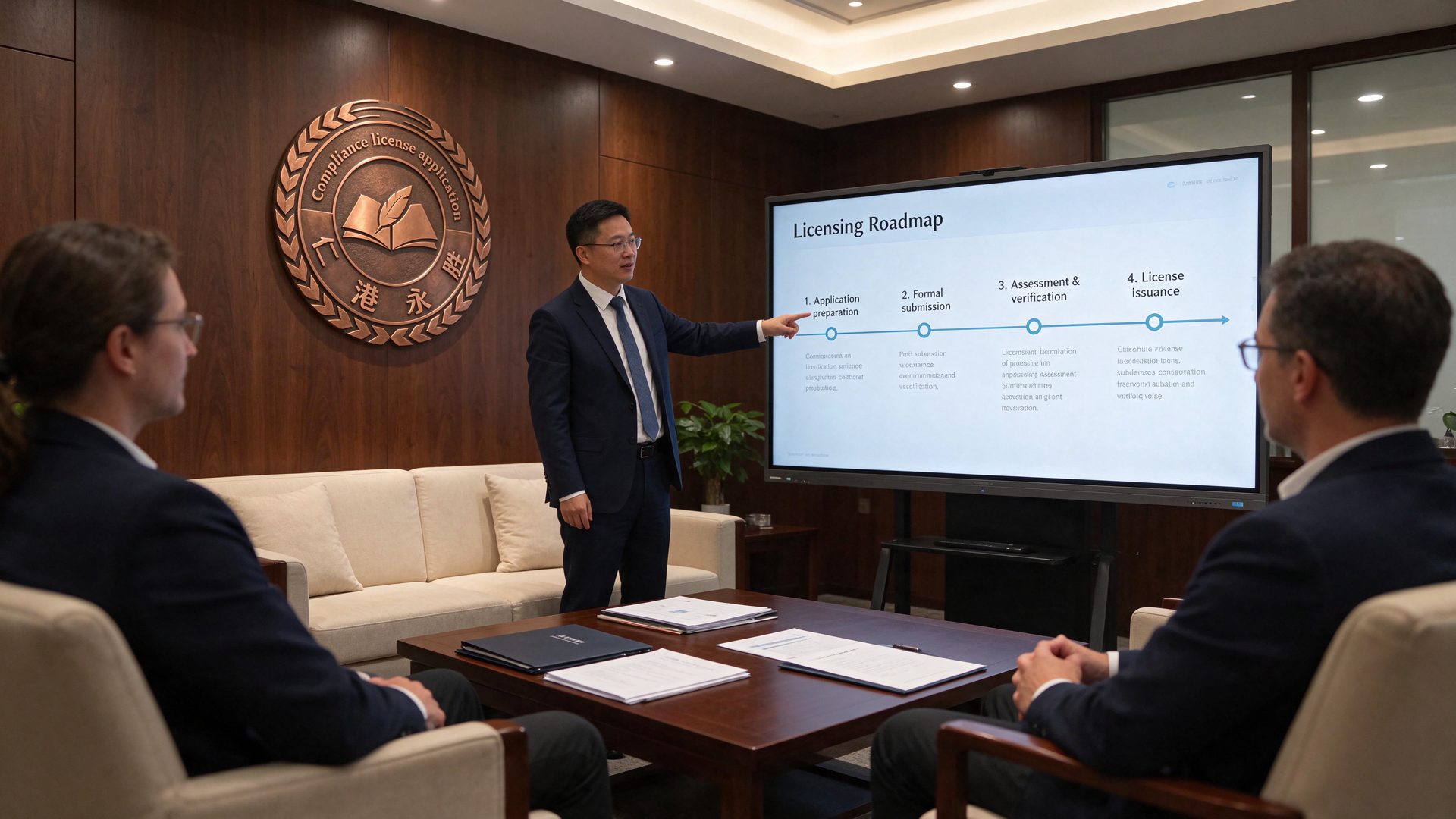
Application Process
01
1. Determine the category of premises
Distinguish between a regulated market, an MTF and an OTF, and specify the products, participants, issuers and trading model.
02
2. Pre-application discussions and regulatory gap analysis
Discuss the scope of the application with the LB, covering rules, technology, market monitoring, capital, personnel and outsourcing.
03
3. Establish governance and operating entities
Establish the Lithuanian entity and assign responsibility for directors, market monitoring, compliance, risk, technology and audit.
04
4. Prepare Rules and Technical Documents
Complete the rulebook, participant processes, matching system, monitoring, data, disaster recovery and exit documentation.
05
5. Submit the Application and Respond to Completeness Queries
Submit the relevant authorisation application to LB and promptly provide any additional evidence required on format, rules and systems.
06
6. Substantive assessment and testing
Support reviews of governance, market integrity, operational resilience, participant protection and operational capacity.
07
7. Go live after authorisation
Commence operations only after completing participant onboarding, publishing the rules, system testing, reporting and ongoing monitoring.
Review period
The specific statutory review period and state fee for a trading venue have not been verified against official sources for this matter, so no fixed timeframe is promised. The actual timescale depends on the venue category and technical complexity.
09

Timeline and key milestones

Timeline & Milestones
StageExpected timeframeOverview
Category and product design4–8 weeksConfirm the type of venue, products, participants and trading rules
Rules and system development2–6 months or longerComplete matching, market surveillance, data, disaster recovery and security evidence
Application completeness checkSubject to LB's latest processRespond to questions about the completeness and format of information
Substantive review and testingConfirm on a case-by-case basisReview governance, participants, fairness, technology and market integrity
Go live after authorisationAfter approval and completion of testingComplete participant onboarding, publication of the rules and reporting preparations
Trading venue operator application and launch milestones
Timing notes
Platform development, participant onboarding and regulatory review should be planned in parallel. However, before the relevant authorisation has been obtained, the platform should not provide regulated trading venue services to the market under the guise of a trial operation.
10

Acquisitions and Material Changes

Acquisition & Material Changes

An acquirer of a trading venue operator must acquire the licensed legal entity and conduct comprehensive due diligence on its market rules, participant contracts, systems intellectual property, regulatory history, outstanding matters and ability to wind down in an orderly manner. Authorisations under LT-40, LT-41 and LT-42 cannot be bought and sold separately from the entity as standalone products.

  • Check whether the authorised categories, products, participants, geographical scope, exemptions and actual operations are consistent with the licensing decision.
  • Changes to qualifying holdings, control or significant influence usually require prior regulatory consent or completion of the applicable notification.
  • Review procedures for changes to directors, senior managers, market surveillance, compliance, risk and key technical personnel.
  • Verify whether the system source code, data, outsourcing arrangements, disaster recovery, clearing and settlement arrangements, and participant contracts can be transferred with the entity.
  • Make LB approval, system risk, participant migration, regulatory incidents and orderly exit conditions of completion.
Conditions Precedent to Acquisition
The brand and infrastructure value of existing market operators such as Nasdaq Vilnius cannot replace the target entity's own licence, regulatory record or approval of a change of control.
11

Ongoing maintenance and compliance

Ongoing Compliance & Maintenance
  • Ongoing maintenance of fair, transparent and non-discriminatory rules for participant access, trading, admission to trading and suspension.
  • Operate market surveillance, market abuse detection, unusual trading investigations and regulatory escalation.
  • Complete system capacity, cybersecurity, disaster recovery, recovery, change and supplier management.
  • Maintain records of transactions, orders, participants, market data and regulatory reports in accordance with applicable rules.
  • Address participant complaints, breaches, conflicts of interest, major disruptions and changes of control promptly.
Matters subject to ongoing regulatory oversightPractical priorities
Market integrityMonitor unusual transactions, market abuse, rule breaches and conflicts of interest
Operational resilienceTesting of capacity, change management, cybersecurity, disaster recovery and orderly exit
ParticipantsAdmission, ongoing eligibility, disciplinary measures, complaints and customer protection
Material ChangesReport changes to ownership, directors, rules, products, technology and outsourcing in accordance with the applicable procedures
Ongoing compliance
Ongoing supervision of a trading venue is part of day-to-day operations. Rule updates, system changes and participant expansion should all be assessed in advance to determine whether they trigger LB approval, notification or retesting.
12

Application status

Application Availability

Authorisation to operate a regulated market, MTF or OTF is a high-bar, case-by-case market infrastructure approval. New applications may in principle be assessed, but this should not be treated as ordinary fintech registration. Nasdaq Vilnius already operates a regulated market in Lithuania, so a new applicant must demonstrate the need for, and the regulatory feasibility of, an additional venue.

  • Before a formal application, use the LB Newcomer Programme to discuss venue category, products, technology and governance arrangements.
  • First confirm whether this involves applying for a new place of business, extending existing FBF permissions or using the services of an existing trading venue.
  • When acquiring an existing operator, approvals or notifications for changes of control, qualifying holdings, directors and key persons must still be completed.
  • Cross-border participants and EU passporting arrangements must be assessed in light of MiFID II, MiFIR and host-country market rules.
Drew's Note
An open application process does not mean that the platform is open for launch. Drew recommends preparing the rulebook and assessing market monitoring and system resilience before deciding whether to establish a new entity or acquire an existing operating entity.
Tang Shangyong (Drew), Business Manager
Drew's Note Drew's Note
Drew's Note: Operating a trading venue is not a matter of simply connecting matching software to the market. Applicants must prepare rulebooks, participant admission criteria, market surveillance, transparency arrangements, system resilience, data records, disaster recovery and orderly exit plans. Nasdaq Vilnius already operates in Lithuania, so a new project should first explain its venue category, product positioning and why it is needed.
Tang Shangyong (Drew) · Business Manager, Rengangyongsheng (Hong Kong) Limited
FAQ

Frequently Asked Questions About This Licence

Frequently Asked Questions
Q01Is Nasdaq Vilnius the only institution that can operate a regulated market in Lithuania?+
Nasdaq Vilnius is one of the existing regulated market operators in Lithuania, but this does not mean that other applications cannot be considered as a matter of law. New applicants must demonstrate governance, market integrity, technological resilience, participant protection and regulatory oversight in accordance with the applicable rules. The final decision is subject to authorisation by the Bank of Lithuania (LB).
Q02Are MTF and OTF automatically permitted under a standard FBF licence?+
This is not an automatic permission. Operating a trading venue must be addressed separately in the application, with rules, systems, participants, market surveillance, transparency and conflict-of-interest controls submitted. Even if the applicant already holds FBF authorisation, confirm that the authorisation decision covers the relevant MTF or OTF activities.
Q03What is the minimum capital for a trading venue operator?+
The official review did not identify a single figure applicable to all categories of regulated markets, MTFs and OTFs. Confirm the capital and financial resources required under LB's latest requirements, taking into account the type of venue, products, participants, systems, settlement arrangements and orderly wind-down costs.
Tang Shangyong (Drew)This article is by Rengangyongsheng (Hong Kong) Limited Prepared by, and explained by Tang Shangyong (Drew) Professional guidance from a Business Manager· Information updated: November 2026

Enquire about Trading Venue Operator

Book a Free Assessment
Tell us about your business model, target markets and shareholders. Drew's team will advise whether a new application or acquisition is more suitable, how to structure your capital and staffing, and the expected timeframe and budget.
RGYS advisory meeting
RGYS
Tell us about your project
Tell us about your project · Free Assessment
Success is displayed only after receipt has been confirmed by the service provider; if email is temporarily unavailable, please contact us via WhatsApp.